Stop scheduling production from whiteboards, spreadsheets, and guesswork.
Shop Titan helps growing production shops see job status, department workload, rush impact, approvals, inventory readiness, and production bottlenecks in one connected system.
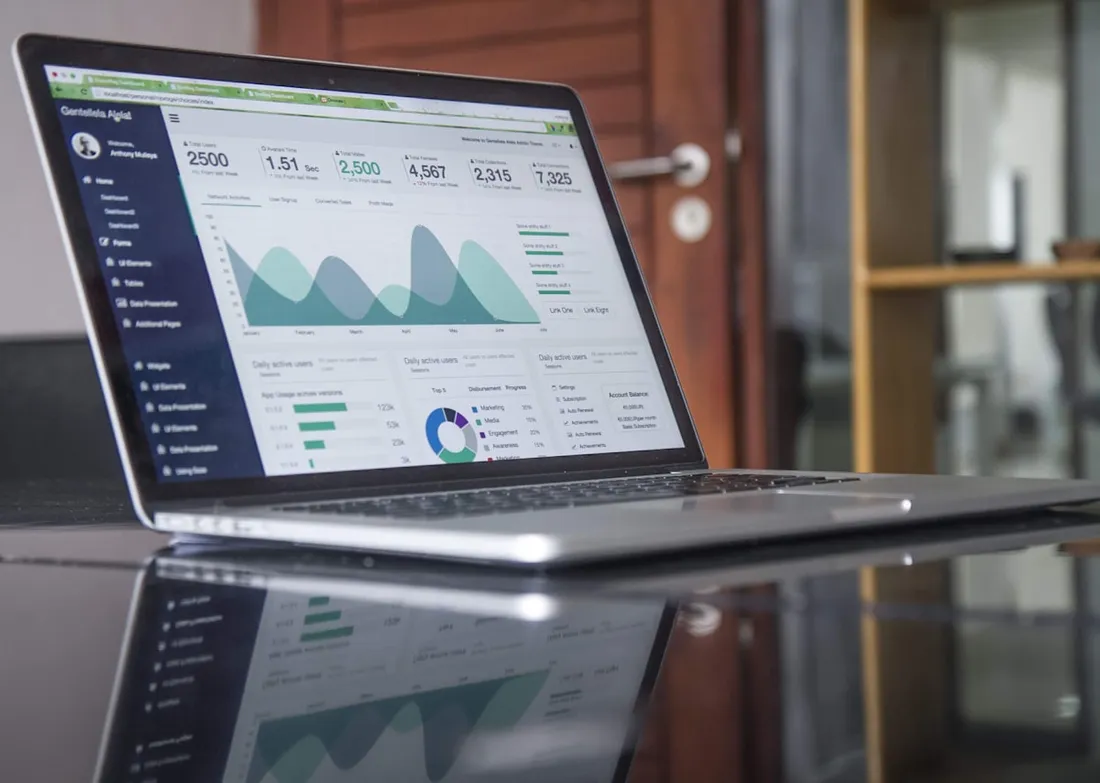
See the actual schedule view built for production shops.
When scheduling is manual, every day starts with confusion.
Most shops do not have a production problem. They have a scheduling visibility problem. The work is moving, but the schedule lives across whiteboards, spreadsheets, verbal updates, team memory, and last-minute changes — so no one can clearly see what is ready, what is waiting, what is blocked, or what needs attention now.
Capacity blind spots
A whiteboard can show what is planned, but it cannot show how much work each department can realistically handle.
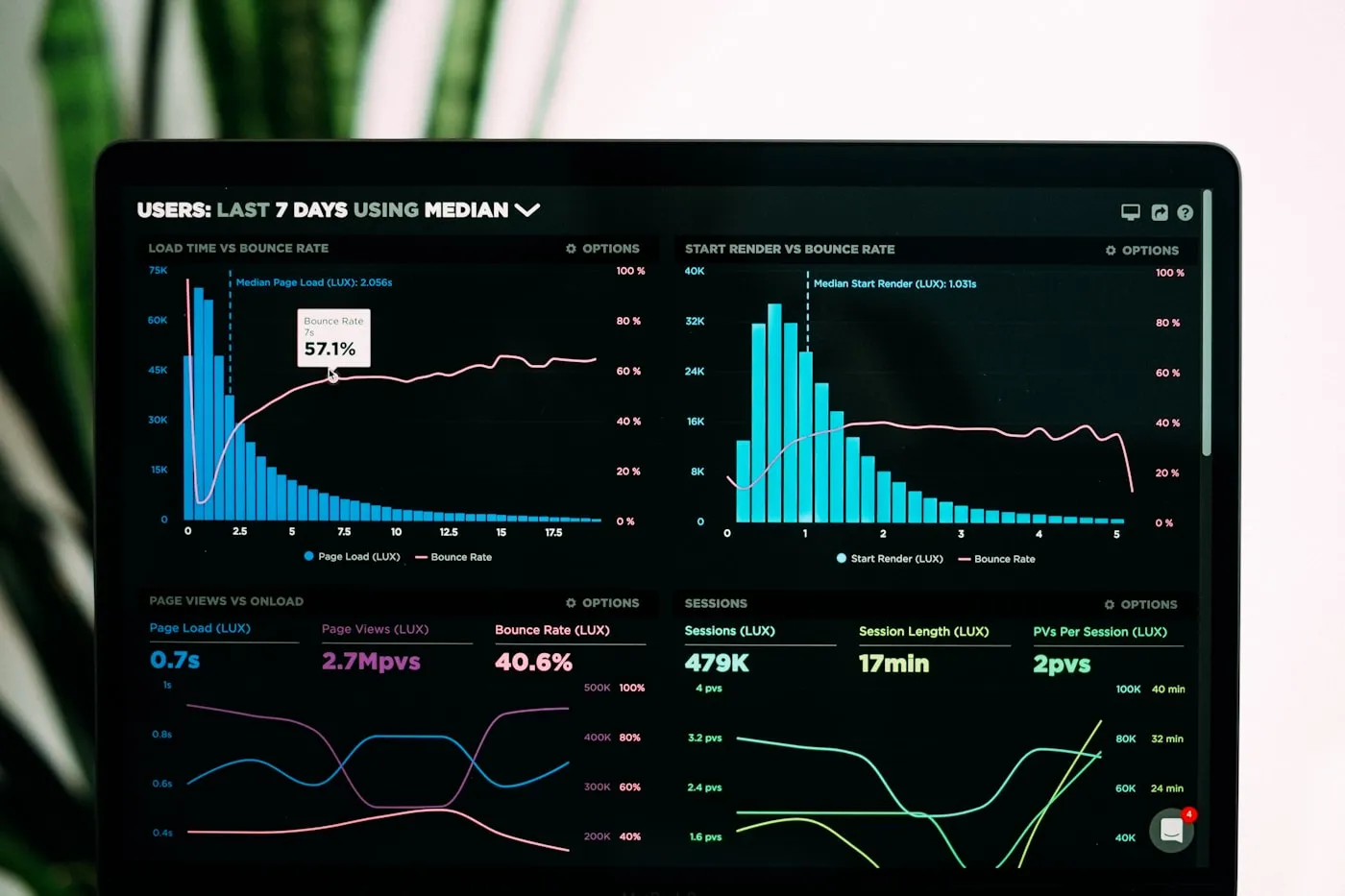
Outdated Spreadsheets
The second a job changes, a rush order comes in, or an approval gets delayed, the spreadsheet becomes unreliable.
Verbal chaos
When scheduling depends on quick conversations, hallway updates, and memory, important details get missed.
Rush job chaos
One urgent order can shift the whole day, but most shops cannot clearly see the impact until production is already behind.

Machine blind spots
Jobs get scheduled before artwork is approved, blanks are ready, files are finalized, or production notes are complete.

Hidden bottlenecks
One department may be overloaded while another is waiting, but leadership does not see the imbalance in time.

Machine overload
Owners and managers cannot always see which machines are booked, which are open, and where capacity is tightening.
Status Chasing
When job status is unclear, sales, art, production, shipping, and leadership all interrupt each other to find answers.

Schedule risk
Jobs that looked fine yesterday suddenly become urgent because the schedule did not show risk early enough.

Owner dependency
When the schedule is unclear, everyone comes back to the owner or production manager to make the final call.
Scheduling chaos does not just slow production. It creates stress everywhere.
When the schedule is unclear, every team feels it.
- Salescannot give confident customer updates.
- Productiondoes not know what should be next.
- Purchasingdoes not know what needs to be rushed.
- Artdoes not know what is holding up the floor.
- Shippinggets surprised at the end.
- The ownergets pulled into everything.
“A messy schedule turns every department into customer service for every other department.”
The problem is not that your team is busy. It is that no one can see the whole schedule.
Production teams are usually working hard. The issue is that the full picture is hidden. One person knows the art is not approved. Another knows the blanks are missing. Another knows the machine is already booked. Another knows the customer changed the due date. But the schedule does not always know.
If the schedule does not know the truth, the team ends up guessing.
- 01Jobs scheduled before they are actually ready.
- 02Capacity decisions made from incomplete information.
- 03Rush orders added without understanding the impact.
- 04Machine conflicts discovered too late.
- 05Blocked jobs sitting in active queues.
- 06Owners making decisions from memory instead of data.
Shop Titan gives production teams a clearer way to schedule work.
Shop Titan connects job status, approvals, inventory, production notes, department ownership, and due dates into one system so your team can see what is ready, what is blocked, and what needs attention.
Live production queue
See which jobs are ready, in progress, blocked, delayed, completed, or waiting for the next department.
Department-level visibility
Give screen printing, embroidery, DTF, DTG, finishing, fulfillment, and shipping teams a clear view of their workload.
Rush job impact
Understand how rush jobs affect existing work before the whole schedule gets thrown off.
Blocked job tracking
Identify jobs that are waiting on artwork, approval, inventory, vendor items, production notes, or customer decisions.
Machine & capacity awareness
Give managers a better view of where capacity is available and where bottlenecks are forming.
Clear task ownership
Show who owns the next step so jobs do not sit in limbo.
Due date visibility
See upcoming deadlines, late-risk jobs, and production priorities before they turn into emergencies.
Connected job details
Keep scheduling connected to the order, artwork, approvals, blanks, production notes, and customer requirements.

Less owner dependency
Give the team a system they can run from instead of forcing every decision back to the owner.
From approved job to finished order, keep production moving.
The goal is simple: schedule from real readiness, not hope.
- Job created
Order enters the system with customer details, due date, decoration method, and production requirements.
- Artwork & approval checked
The system shows whether the job is ready or blocked by art, mockups, approvals, or revisions.
- Inventory confirmed
Blanks, materials, transfers, thread, screens, packaging, or vendor items are checked before production.
- Production scheduled
The job is assigned to the correct department, queue, machine, or production stage.
- Status updated
The team updates where the job stands so everyone sees the latest production status.
- Bottlenecks identified
Managers can see where work is stacking up, what is blocked, and what needs attention.
- Order completed
The job moves through finishing, fulfillment, shipping, and final review.
Before Shop Titan vs. after Shop Titan.
- Scheduling happens on whiteboards and spreadsheets
- Rush jobs disrupt the whole day
- Jobs get scheduled before they are approved
- Blocked jobs stay hidden in active queues
- Machine availability is unclear
- Departments do not see each other's workload
- Bottlenecks are discovered too late
- Everyone interrupts everyone for updates
- Production meetings become the system
- The owner or manager has to make every call
- Production schedule lives in one connected system
- Rush impact is easier to understand
- Jobs can be checked for readiness before scheduling
- Blocked jobs are easier to identify
- Department queues are more visible
- Capacity is clearer across production stages
- Bottlenecks surface earlier
- Teams can find updates without interrupting
- Meetings become more focused
- The shop can run with less owner dependency
A production schedule is only useful if it knows what is actually ready.
A job is not ready just because it has a due date. It may still be waiting on any of these — and the schedule needs to know:
Shop Titan helps production teams schedule around real job readiness, not assumptions.
Built for production shops with real moving parts.
Generic project management tools do not understand the way production work moves through a decoration business. Shop Titan is built for shops where orders move through multiple stages, departments, materials, approvals, and deadlines before they are complete.
Your production schedule should not live in one person’s head.
If the owner or production manager is the only person who knows what needs to happen next, the shop is fragile. Shop Titan helps turn scheduling knowledge into a system the team can follow.
- Fewer interruptions
- Clearer daily priorities
- Better department handoffs
- Less production guessing
- More visible bottlenecks
- Faster answers
- Less owner dependency
- More control as order volume grows
The goal is not to replace leadership. The goal is to stop making leadership the only schedule.
What changes when production scheduling gets clearer.
Fewer daily fire drills
The team can see problems earlier instead of reacting after things are already late.
Cleaner production flow
Jobs move through departments with clearer ownership and fewer missing details.
Better rush job decisions
Managers can understand the impact of rush work before committing to unrealistic timelines.
Less wasted time
Teams spend less time asking for updates and more time moving jobs forward.
Earlier bottleneck detection
Production leaders can see where work is stacking up before it delays everything else.
More scalable operations
The shop can handle more jobs without relying on whiteboards, memory, and constant meetings.
Built from real production pressure.
Shop Titan was built from inside the production world, where scheduling mistakes create late orders, rushed teams, missed details, reprints, customer frustration, and margin loss. It was created for shops that need a better way to control the flow of work — not another generic task board.
Ready to bring control to your production schedule?
If your shop is still scheduling from whiteboards, spreadsheets, verbal updates, and memory, Shop Titan gives your team a clearer way to see what is ready, what is blocked, and what needs to happen next.
One connected schedule. Less guessing. More control.